Ford F-150 Bull Bar
A Ford F-150 bull bar fitted to the truck's exact front end, in a finish that suits the trim, with the tow hooks and any driver-assist sensors left working.

Ford F-150 Bull Bar at a glance
- Black powder-coated push bar
- $450–$900
- Full grille guard, black
- $700–$1,200
- Stainless or chrome-look grille guard
- $900–$1,600
- Bolt-on skid plate
- $180–$450
Ford F-150 bull bar for the truck's aluminium nose
A bull bar on an F-150 is as much about protection as presence: it takes the brush, bugs and parking-lot bumps off a grille and bumper that cost real money to replace. The aluminium body means we mount with isolating hardware so steel and aluminium never touch bare, and the bar is chosen around the truck's year, which decides the fascia and the sensor layout.
- Front-end protection for a costly grille and bumper
- Isolating hardware keeps aluminium and steel apart
- Bar matched to the year's fascia and sensor layout
- A finish picked to suit the trim
Ford F-150 bull bar fitment
Fitment here turns on the year first and the trim second. The 2015–2020 truck and the 2021-and-newer truck wear different front ends, and an XL work truck, a Lariat and a Tremor do not share the same bumper or the same sensor set. We confirm the year, then the trim and any front-sensor package.
- Thirteenth generation 2015–2020 F-150
- Fourteenth generation 2021 and newer F-150
- XL, XLT, Lariat, Platinum, King Ranch, Tremor and Raptor trims
- Parking-sensor and front-camera clearance checked
- Tow hooks kept accessible after the bar is on
- 2-inch and 2.5-inch tube bars for different levels of coverage
Finishes and bar styles for an F-150
Because the F-150 is bought from a plain work truck to a chrome-loaded Limited, the finish matters as much as the shape. We carry powder-coated black for a work truck and a brushed or chrome-look stainless for a truck with bright trim, so the bar looks like an option, not an afterthought.
- Black powder coat for work trims
- Brushed and chrome-look stainless for bright trims
- Full-width grille guard versus a compact push bar
- Skid-plate add-on for under-bumper protection
- Optional light-mount tabs on the cross tube
How the F-150 bull bar is installed
We follow the same careful sequence on every F-150 so the bar is solid and the safety systems stay intact.
-
Confirm the year, trim and any front-sensor package.
-
Inspect the bumper, frame horns and tow hooks.
-
Test-fit the bar and check sensor and camera sight lines.
-
Mount with isolating washers so aluminium never touches bare steel.
-
Torque the brackets to the F-150's frame points.
-
Confirm hooks, sensors and cameras all still work.
-
Road-test for vibration and re-check torque.
What a Ford F-150 bull bar costs
What an F-150 front bar runs comes down to tube diameter, the chosen finish and whether a skid plate is bolted on, and the number varies by model year and trim since each fascia takes its own brackets. A plain black push bar is the cheapest way in; a stainless grille guard with a skid plate and light tabs sits at the top.
- Black powder-coated push bar
- $450–$900 installed
- Full grille guard, black
- $700–$1,200
- Stainless or chrome-look grille guard
- $900–$1,600
- Bolt-on skid plate
- $180–$450
- Light-tab wiring for two pods
- $120–$320
Living with a bar on a daily-driven F-150
A front bar adds weight over the nose and can change how the truck feels on the highway, so on a daily driver we favor the lighter tube and skip the heaviest grille guard unless the truck really works brushy ground. We also keep the bar low enough that the factory front camera still sees clearly for parking.
- Lighter tube bars for trucks that mostly commute
- Heavier guards reserved for brush and lease roads
- Bar height kept clear of the front camera
- Weight watched so the nose stays composed on the highway
F-150, Maverick and Ranger front-bar details
- Isolating washers that keep steel brackets off the aluminium F-150 body
- Hydraulic-shop grade bolts that do not gall the aluminium
- 2-inch and 2.5-inch tube bars sized to each Ford's fascia
- Brushed stainless for a chrome-trim Lariat or a Platinum
- Black powder coat for an XL work truck and a dark Tremor
- Skid plates cut for the F-150's intercooler opening
- Cross-tube light tabs that carry a pair of 3-inch pods
- Relay, fuse and switch kits wired to the Ford's own dash
- Mounting that keeps the F-150 tow hooks and the Ranger's recovery loops clear
- Brackets shaped around the Maverick's compact, rounded nose
- Recalibration when a Co-Pilot360 sensor asks for it
- A compact push bar for a Maverick that mostly commutes
- A full grille guard for a Ranger that runs brush and lease roads
- Winch-plate add-ons on stubby designs that fit the Ford frame horns
- Fairlead clearance checked before the winch line is spooled
- Rocker and lower-fascia guards for caliche and gravel roads
- Hardware keyed to the F-150 frame horns and the Ranger's bumper points
- Finishes matched to chrome, painted and dark Ford fascias
- Stone and bug deflection that saves a high-cost Ford grille
- Tool-free mounting where the Ford bumper already carries a bracket
More for the Ford F-150
The other parts we fit on this truck.
-
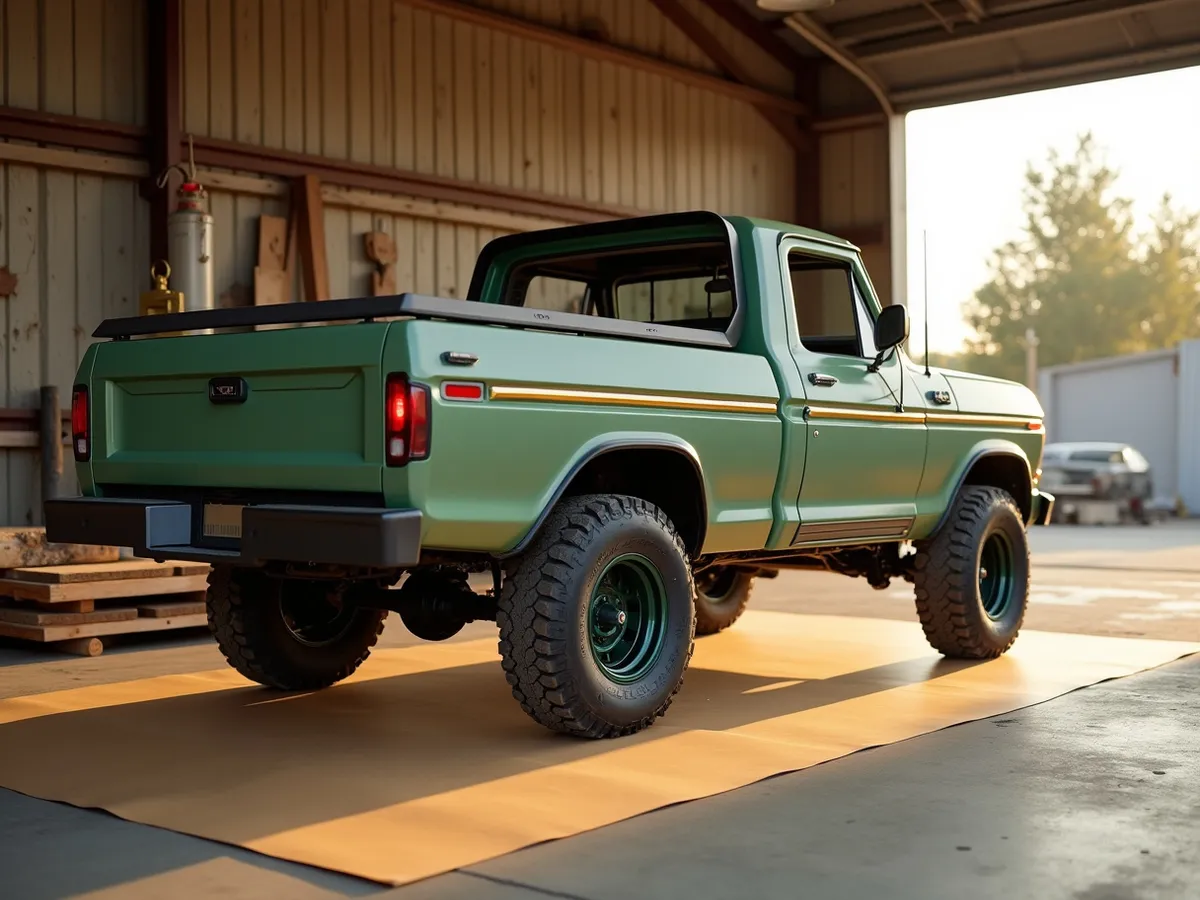
Ford F-150 Camper Shell
A Ford F-150 camper shell cut for the truck's exact bed length and cab, with the third brake light wired and any roof load kept within the shell's rating.
$1,700–$2,900 varies by year, make and trim
-
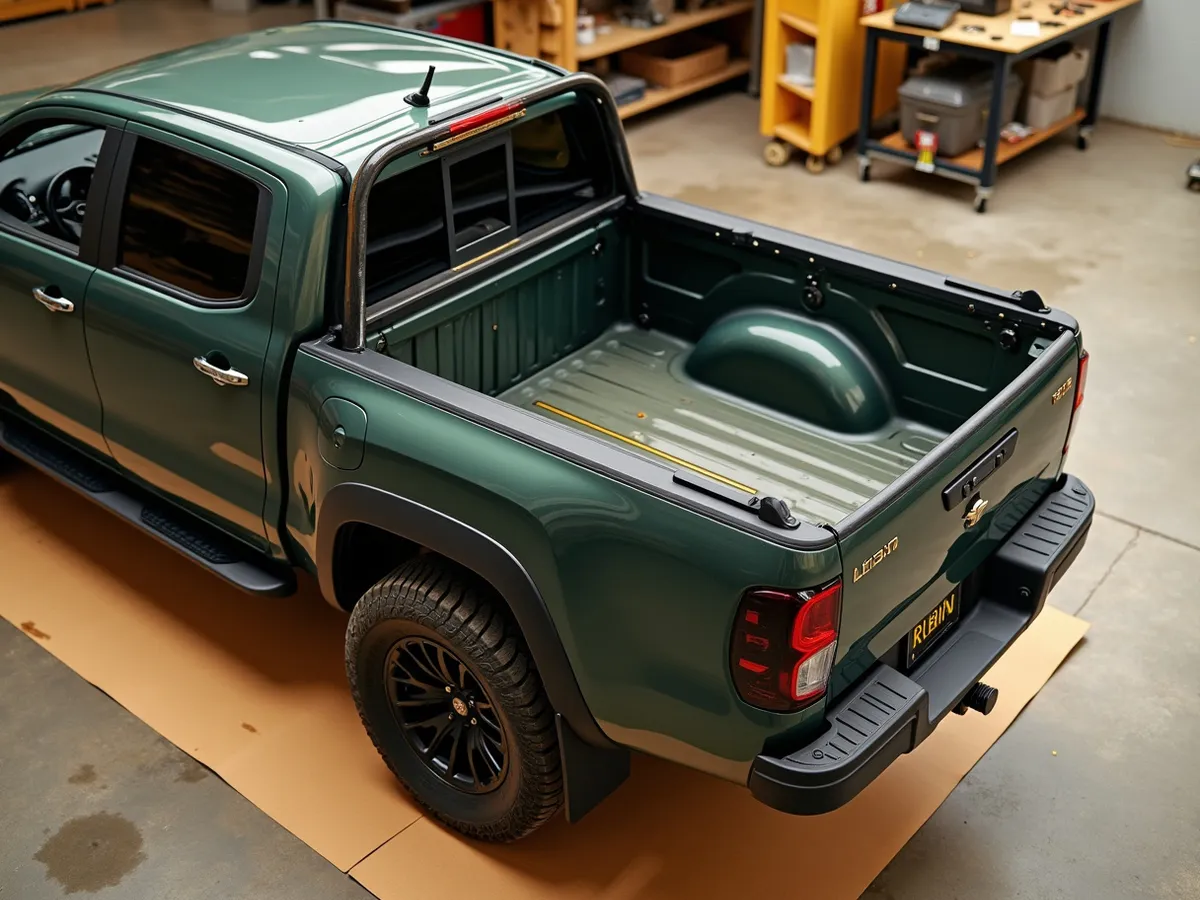
Ford F-150 Tonneau Cover
A Ford F-150 tonneau cover in soft roll-up, hard folding or retractable, cut to the truck's bed length and cab and clear of the tailgate step and extender.
$230–$520 varies by year, make and trim


Fitment and cost guides
Plain answers before you order anything.
-
Camper Shell Fitment Guide
A camper shell fits when its base rail matches your truck's exact bed length, bed-rail height and cab, so a shell is ordered by year, cab and bed rather than by badge alone.
-
Tonneau Cover Fitment Guide
A tonneau cover fits when its rails and clamps match your truck's exact bed length and rail system, so a cover is ordered by year, cab and bed rather than by a size name.
-
Truck Accessory Costs
A single truck accessory in the Rio Grande Valley runs from about $260 for a soft tonneau cover to $3,800 for a painted camper shell, with most items landing between $400 and $1,500 installed.
-
What Fits My Truck
What fits your truck depends on its year, cab, bed length and trim, because two trucks with the same name can take different covers, shells, bars and lighting.
From the bay


Questions about this fit
Will a bull bar block my F-150's front sensors?
Only if it is the wrong bar. We choose one designed to clear the parking sensors and the forward camera on your truck's year and trim, and recalibrate if the system asks for it, so the driver aids keep working.
Can a bull bar mount without drilling my F-150?
Most bars bolt to existing frame or bumper points, and that is the preferred install. A few designs want one small hole for a bracket, and we tell you before work starts which kind you are getting.
Does a bull bar damage the F-150's aluminium body?
Not when it is mounted with isolating washers and coated hardware, which is standard on every F-150 bar we fit. Bare steel touching bare aluminium is what causes marking, and we never allow that.
How long does an F-150 bull bar install take?
A straightforward bolt-on bar is often a half-day job, and one with a skid plate, light tabs and wiring runs longer. We torque to spec and road-test so the front end feels solid before you take it.
What finish suits a chrome-trimmed F-150?
A brushed or chrome-look stainless bar, so it reads as part of the truck rather than against it. For a work trim we would go black powder coat, which hides scuffs and matches the plastic.
Is a grille guard worth it over a push bar?
If the truck runs brushy lease roads or deer country, the extra coverage of a grille guard earns its weight. For a truck that mostly commutes, a lighter push bar protects the bumper without the heft.
Why Valley drivers bring their trucks here
- Accessories confirmed against your exact year, cab, bed and trim before ordering.
- A written estimate that separates the part, the hardware and the fitting.
- Fitting that seals, wires and torques to the truck's own mount points.
- A settling check after the first miles, because rail seals and clamps move.
Request a fitment check
Tell us the truck and what you want.